Dr Joseph Owen has explored heritage and identity in Mansbridge, Southampton, in collaboration with the housing association Abri. This work, he suggests, indicates the importance of poetry as a form of social infrastructure. For another version of this article, hosted by University English, read here.
Heritage practitioners have increasingly turned to poets as interlocutors, capable of articulating people’s feelings about their historic environment. English Heritage, for example, has been at the vanguard of efforts to activate poetry in this way. Its Untold Stories programme, launched in 2020, sought to ‘explore the hidden histories and contemporary resonances’ of its abbeys, castles, chapels, and Cold War bunkers.
Established and emerging poets, as well as members of the public, were asked ‘to reflect on the history, fabric and atmosphere’ of these places, and in doing so challenge some of ‘history’s prevailing narratives’.
The digital anthology that followed captures evocatively, in the words of its fellow Jacob Sam La-Rose, the act of ‘pitching back through time while interrogating and even refuting reverberations of the past within a living present’. Busy refuting reverberations, poetry demonstrates an essential temporal affect: ‘Time folds and becomes toric, mistaking | millions of years for a few short seconds’, Gregory Kearns writes in his ode to Goodshaw Chapel.
Yet heritage risks being reductively conceived if it encompasses only the built and physical environment, even when imbued with the possibilities afforded by a poetic architecture. It’s here that the relevance of poetry becomes apparent.
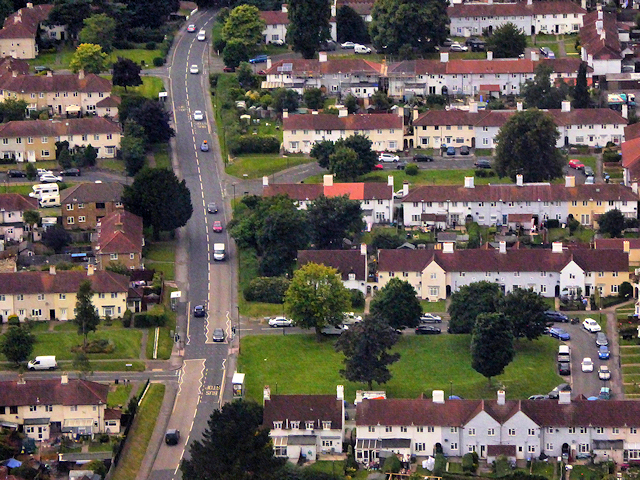
The Mansbridge Heritage Project, developed at the University of Southampton, was interested in the role of poetry and creative practice, more broadly, in evoking people’s relational, everyday relationship to heritage. A collaboration between Southampton Institute for Arts and Humanities and Abri housing association, the project held creative workshops to capture what residents feel, understand, and experience about Mansbridge, a suburb of Southampton known for its generous green spaces, striking layout, and distinctive style of housing.
Herbert Collins, a renowned local architect, designed the Mansbridge estate in 1925. Marking the centenary of its construction, researchers at Southampton co-created with the local community a public event to celebrate the history of the area. We were alert to navigating the challenges of such a collaboration, given that cultural heritage systems often reproduce existing inequalities that amplify privileged voices and reinforce prevailing hierarchies.
In Mansbridge, we found that these tensions surfaced when authorised local heritage narratives—about Collins, the once-dominant Ford factory, the history of the housing association—encountered residents’ personal stories and collective mythologies.
We used a mixed-methods approach to gain a better understanding of how these narratives, stories, and mythologies intersected. This focus sat within a wider critical interest in people’s relationship to place: whether positive feelings of pride, an increased knowledge of local histories, and a more confident sense of how one’s home is perceived could influence people’s attachment to where they live.
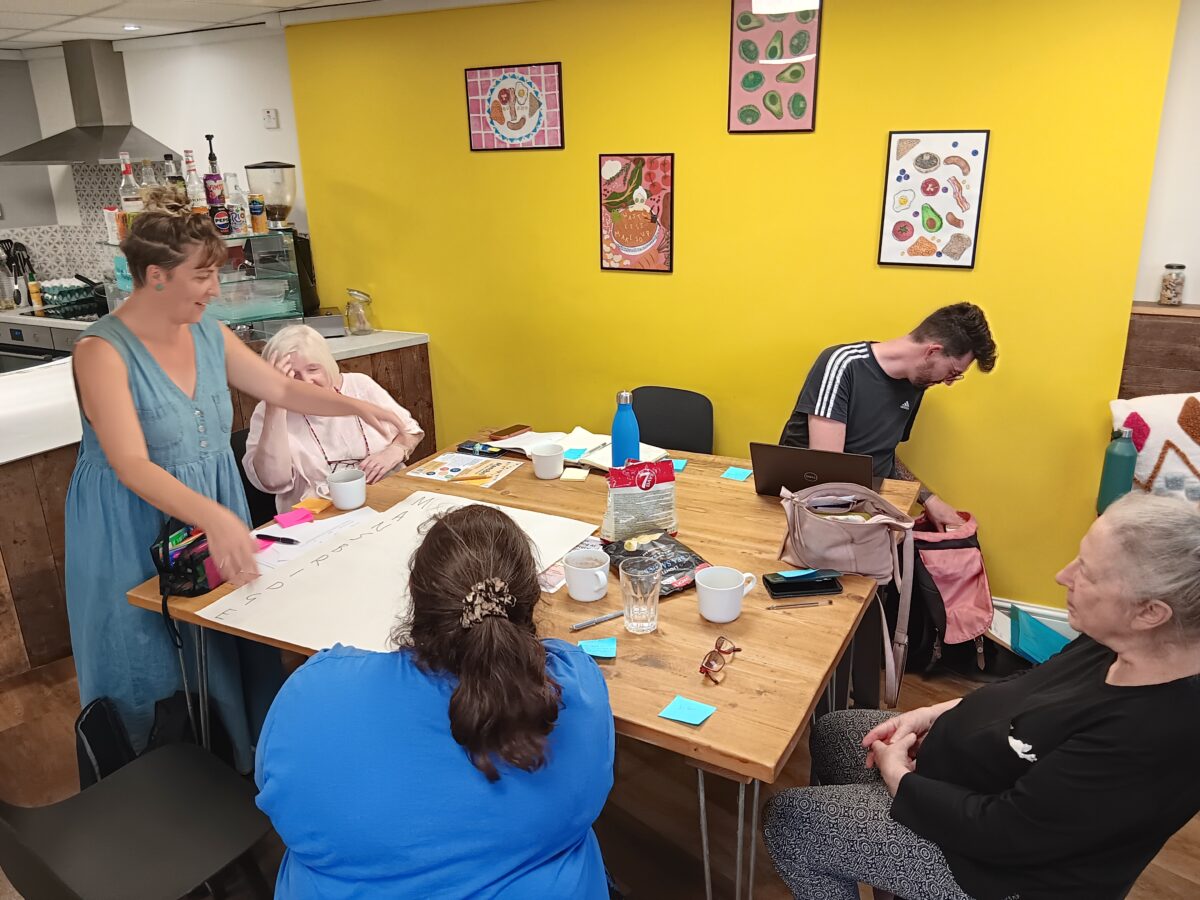
The workshops used a diverse range of methodologies—from litter collage to oral storytelling to exhibition curation—which elicited residents’ feelings about their place. The deployment of creative methods was intended to produce non-linear, affective, and speculative responses from residents, based on previous place-based research.
Some creative methods, particularly acrostic and performance poetry, lent themselves to the study of heritage as a lived practice, because they evoked the temporalities and spatialities of residents’ experience. We socialised these methods to understand how community connectedness could be made thinkable.
Poetry, both written and verbal, was fundamental for uncovering otherwise subterranean and dissonant feelings about the nature of place and community. It elicited word-of-mouth anecdotes purporting the existence of carp fishing and secret tunnels, which fused with private memories of bonfires and conker fights. Together, these accounts forged a web of individual experiences among a public expression of community, one which both incorporated and exceeded other mandated histories.
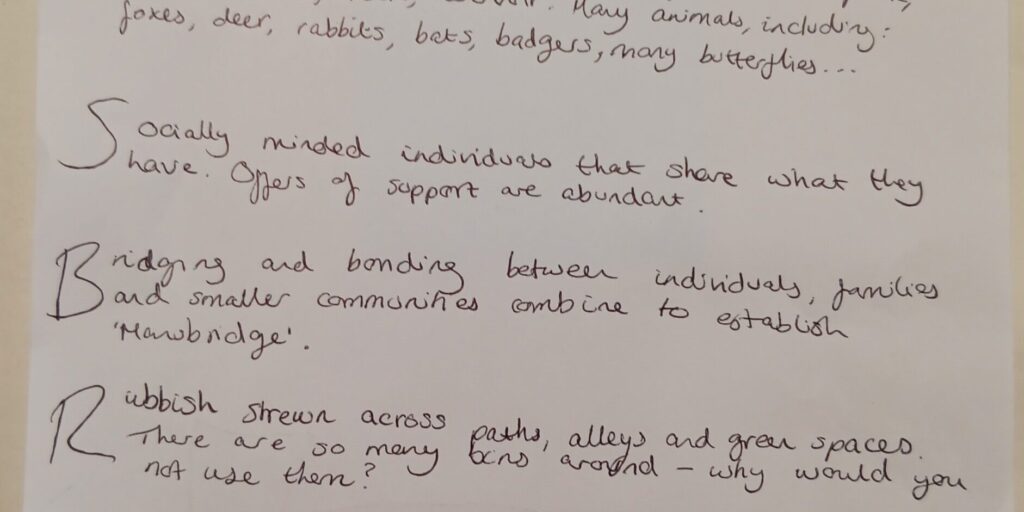
The very origins of the social housing estate were affirmed and recast. Participants devised an acrostic poem based on letters comprising the word Mansbridge. A participant proposed the one-word line, ‘Inspiration’, for ‘I’ because they considered ‘the project of Mansbridge’ to be a source of shared pride whose architecture, green space, and underlying social history granted it an important, distinctive character.
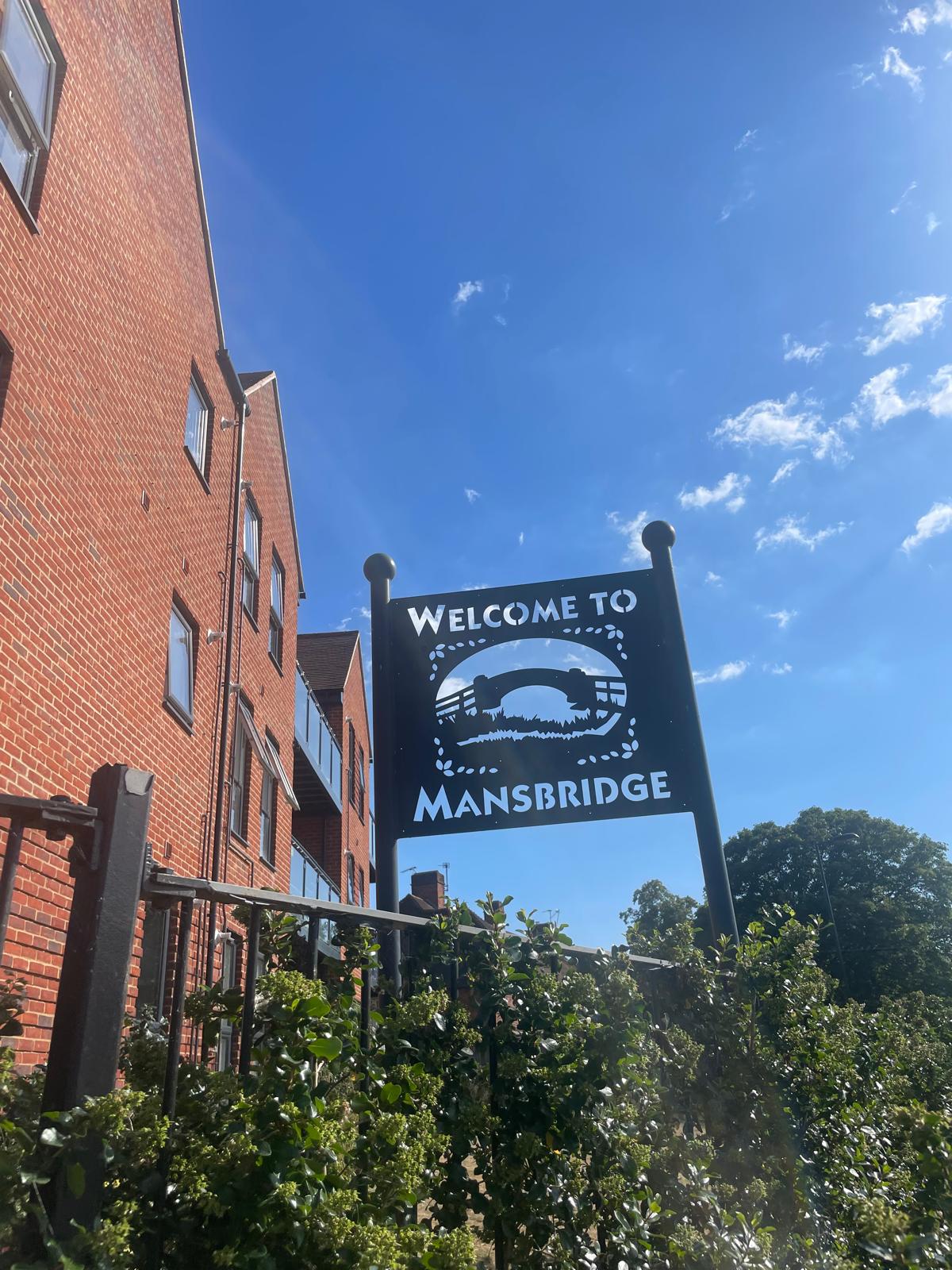
Another participant suggested ‘bridges and bonds’ as part of a verse, because for ‘every connection […] you’re either bridging a gap or building a bond’. That Mansbridge itself was named after its bridge, the Mans Bridge, literalised the metaphor of connectedness that residents sought to emphasise. The bridge was seen as a shared symbol for how the place itself underpinned relationships between and within groups. A framing emerged whereby Mansbridge was considered the definitive throughway to and from the wider area.
Against these dominant stories of place, it was noted that gangs of motorcyclists were once prevalent in the area, and that people still worked on their bikes in Monks Way, a key arterial route through Mansbridge. This social activity was considered a key part of its wider cultural history and provided an unofficial retelling of its heritage. Sidestepping established narratives, poetry offered residents more demotic, marginalised versions of heritage that accepted differences as energising characteristics of place rather than sources of stigma or stereotype.
At the local primary school, pupils were tasked with imagining the future of Mansbridge through a phonetic engagement with poetry. Children were invited to consider their parents at their age, and to conceive of themselves as grown-ups, which offered speculative routes to thinking about their place. Using the poetic voice to speak aloud the past and future of Mansbridge had a powerful effect: it made comprehensible generations of family life that had existed in the same setting.
In these ways, poetic practice was itself a form of social infrastructure, and the workshops acted as engagement tools and analytical devices that surfaced latent social relationships, particularly when they assembled what residents saw, knew, and felt about their place. Foregrounding these shared meanings, understood as a form of relational, everyday heritage, transformed our more traditional outputs, exhibitions, and activities.
Mansbridge, while distinctive, is not an exception: it instead reveals a broader dynamic between poetry, place, and heritage. Poetic practice gave space for communities to recognise who they once were, and, suggestively, it allowed them to conceive themselves as historically and socially entangled in the present tense.